Three-phase isolation transformers are not only essential for voltage transformation but also play a critical role in ensuring system safety, protecting connected equipment, and improving energy efficiency. Below, we explore their protective functions and energy-saving characteristics in detail, supported by professional electrical knowledge.
1. Protective Functions of Three-Phase Isolation Transformers
The primary purpose of an isolation transformer is to provide galvanic isolation between the input and output circuits, thereby enhancing safety and protecting sensitive equipment. Key protective functions include:
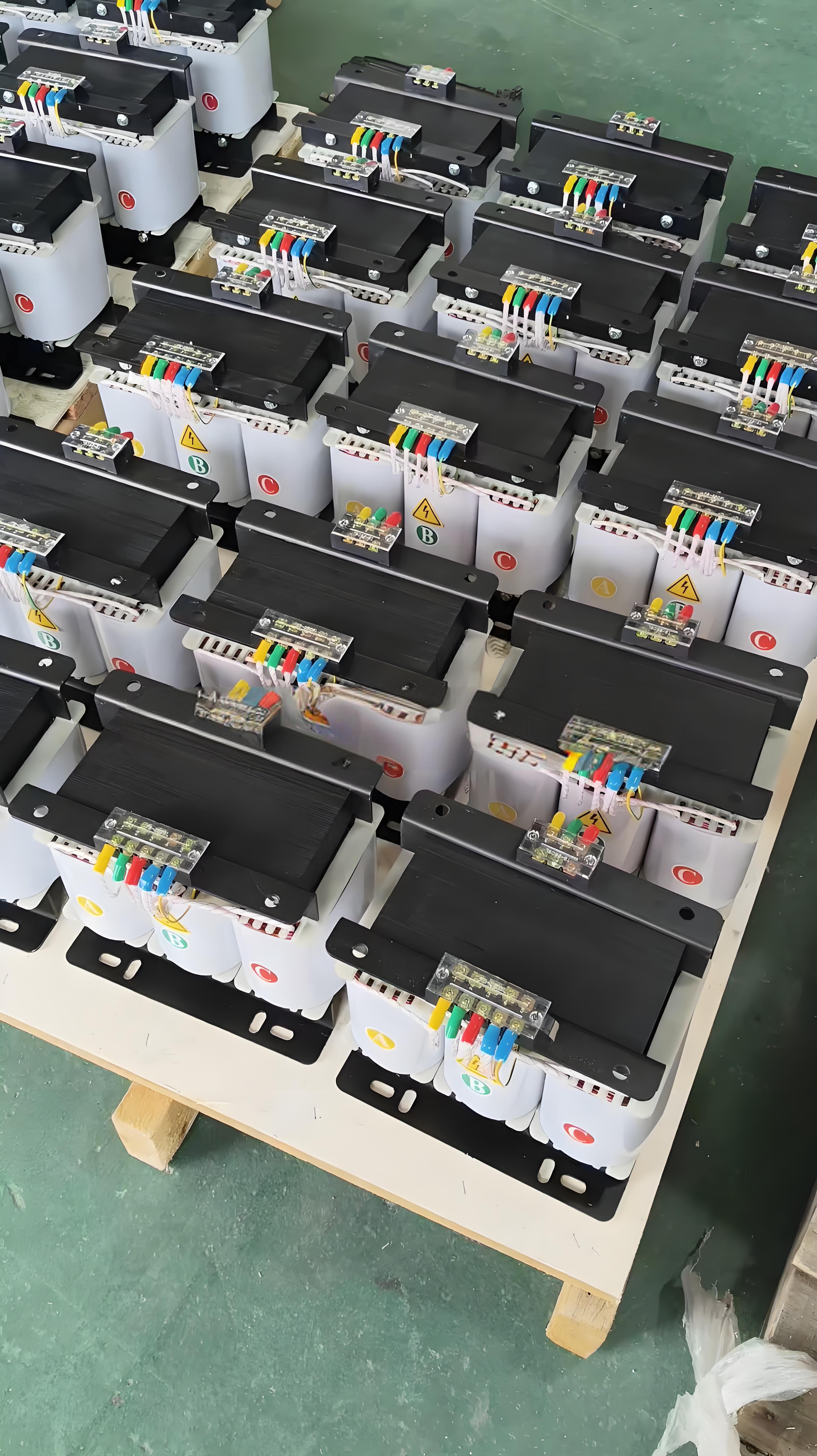
1.1 Electrical Isolation
- Prevention of Ground Loops:
- By isolating the primary and secondary windings, ground loops are eliminated, reducing the risk of noise interference and potential damage to connected devices.
- Reduction of Electric Shock Hazards:
- Galvanic isolation prevents direct electrical contact between the source and load, minimizing the risk of electric shock to personnel and equipment.
1.2 Noise Suppression
1.3 Overvoltage and Transient Protection
- Damping of Voltage Spikes:
- The transformer's inherent inductance dampens voltage spikes and transient surges caused by lightning strikes, switching operations, or faults in the power system.
- Protection Against Voltage Fluctuations:
- Some isolation transformers incorporate taps or voltage regulators to stabilize output voltages, protecting downstream equipment from sags, swells, and imbalances.
1.4 Fault Current Limitation
- Reduction of Fault Current Magnitude:
- The impedance of the transformer limits fault currents during short circuits or overloads, preventing catastrophic failures in the power system.
2. Energy-Saving Features of Three-Phase Isolation Transformers
In addition to their protective functions, three-phase isolation transformers are designed to minimize energy losses and improve overall system efficiency. Key energy-saving features include:
2.1 High Efficiency Through Low Core and Copper Losses
2.2 Advanced Cooling Techniques
2.3 Harmonic Mitigation
2.4 Load Optimization
-
Voltage Regulation:
- Transformers with tap changers or automatic voltage regulators ensure that the output voltage matches the load requirements, minimizing energy wastage due to over-voltage or under-voltage conditions.
-
Balanced Phase Loading:
- Properly designed transformers distribute loads evenly across all three phases, reducing losses caused by phase imbalances.
3. Long-Term Energy Savings and Lifecycle Benefits
While the initial cost of a high-efficiency three-phase isolation transformer may be higher, the long-term energy savings and lifecycle benefits justify the investment:
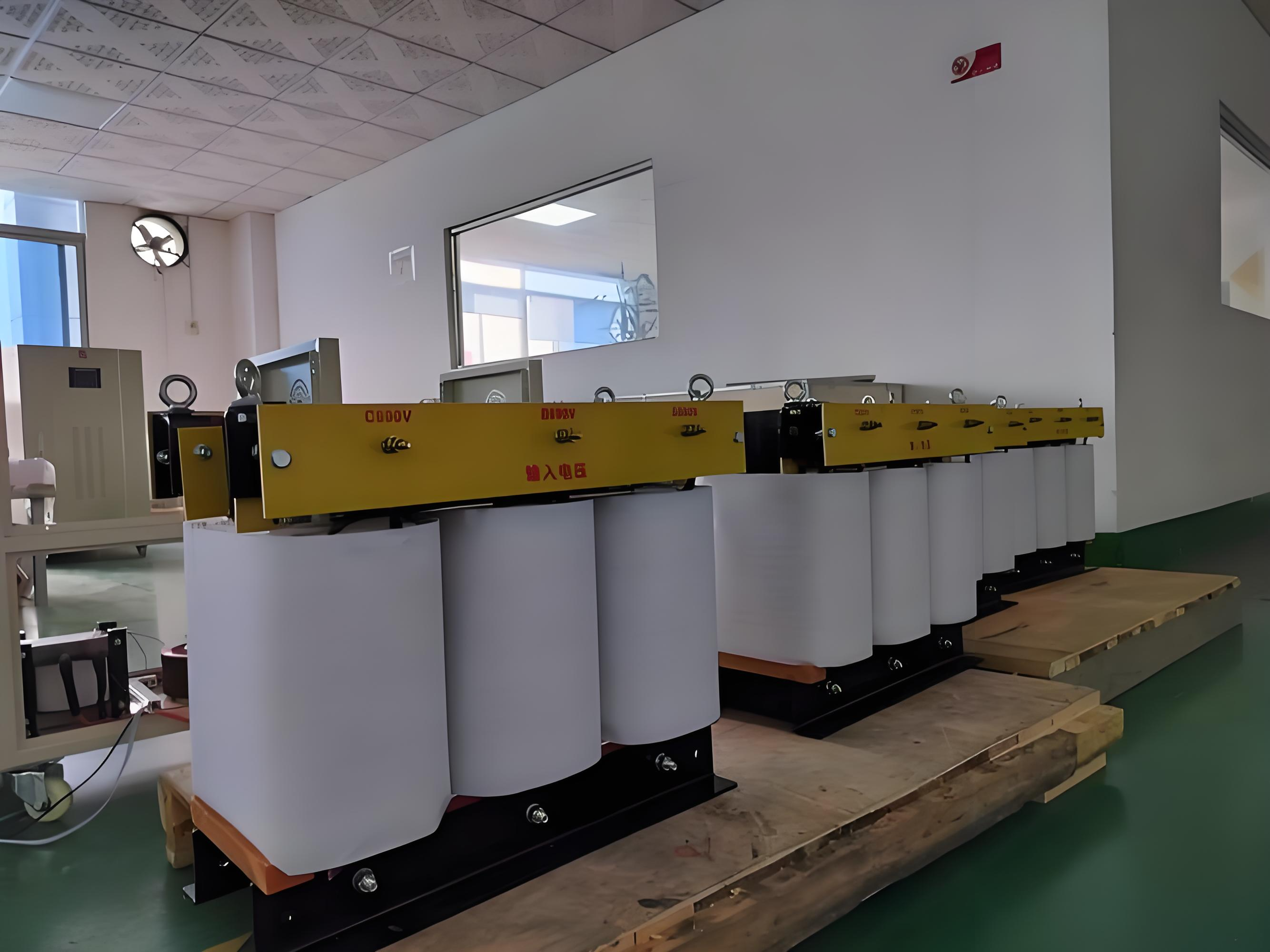
3.1 Reduced Energy Consumption
- High-efficiency transformers consume less energy during operation, leading to lower electricity bills and reduced carbon emissions.
3.2 Extended Equipment Lifespan
- By stabilizing voltages and suppressing noise, these transformers protect connected equipment from premature wear and tear, reducing maintenance and replacement costs.
3.3 Compliance with Energy Standards
- Many modern transformers comply with international energy efficiency standards such as IEC 60076, DOE 2016, and EU Ecodesign Regulations, ensuring they meet or exceed regulatory requirements for energy savings.
4. Application-Specific Energy Efficiency
The energy-saving features of three-phase isolation transformers vary depending on the application:
4.1 Industrial Applications
- In industrial settings, transformers with low core losses and harmonic mitigation capabilities improve the efficiency of motor-driven systems and reduce energy waste.
4.2 Renewable Energy Systems
- Isolation transformers used in renewable energy systems, such as solar and wind farms, ensure efficient integration of distributed energy resources while minimizing losses.
4.3 Data Centers
- Transformers with high efficiency and noise suppression capabilities enhance the reliability and energy efficiency of data center operations, where power quality and uptime are critical.


