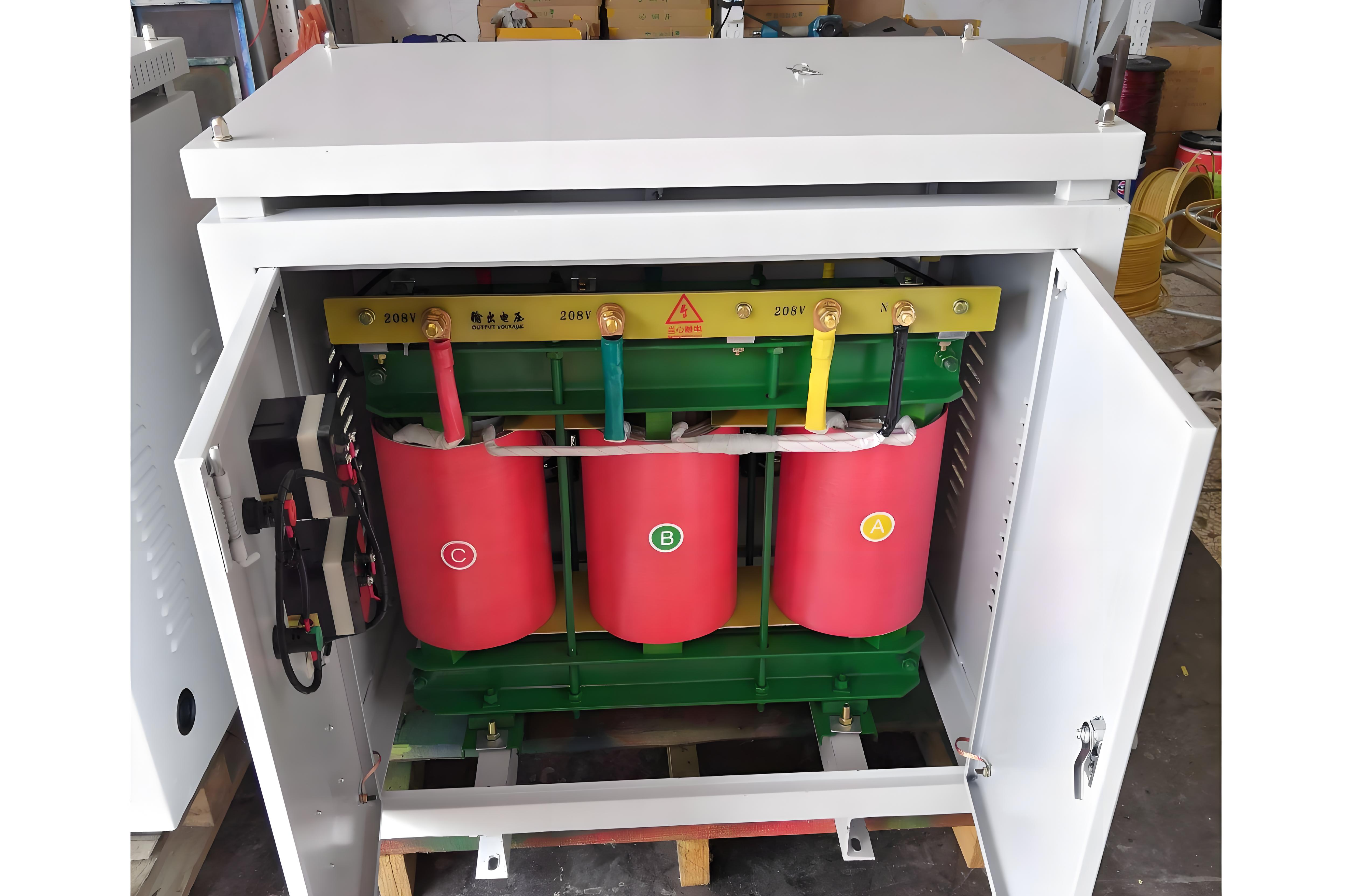
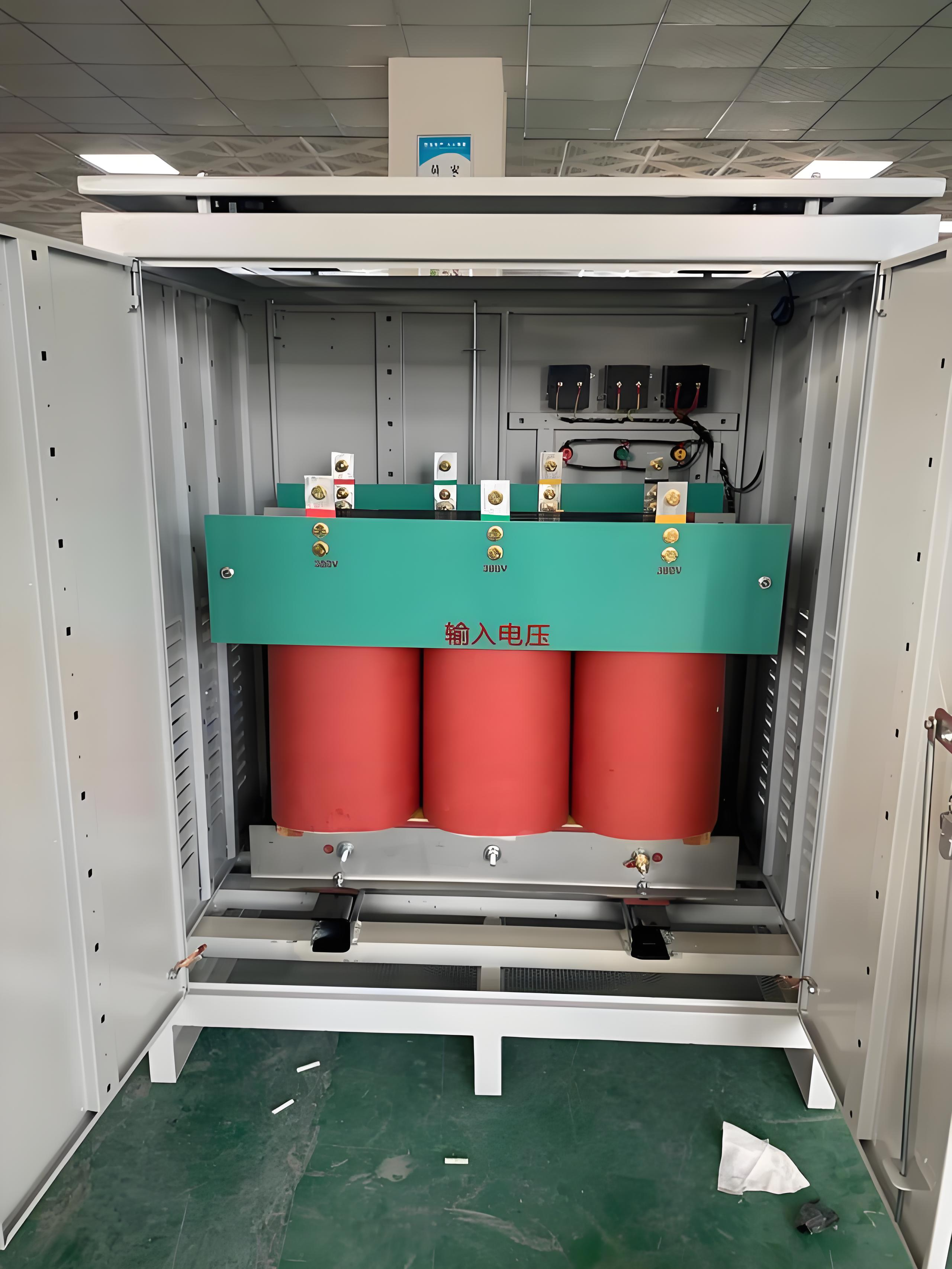
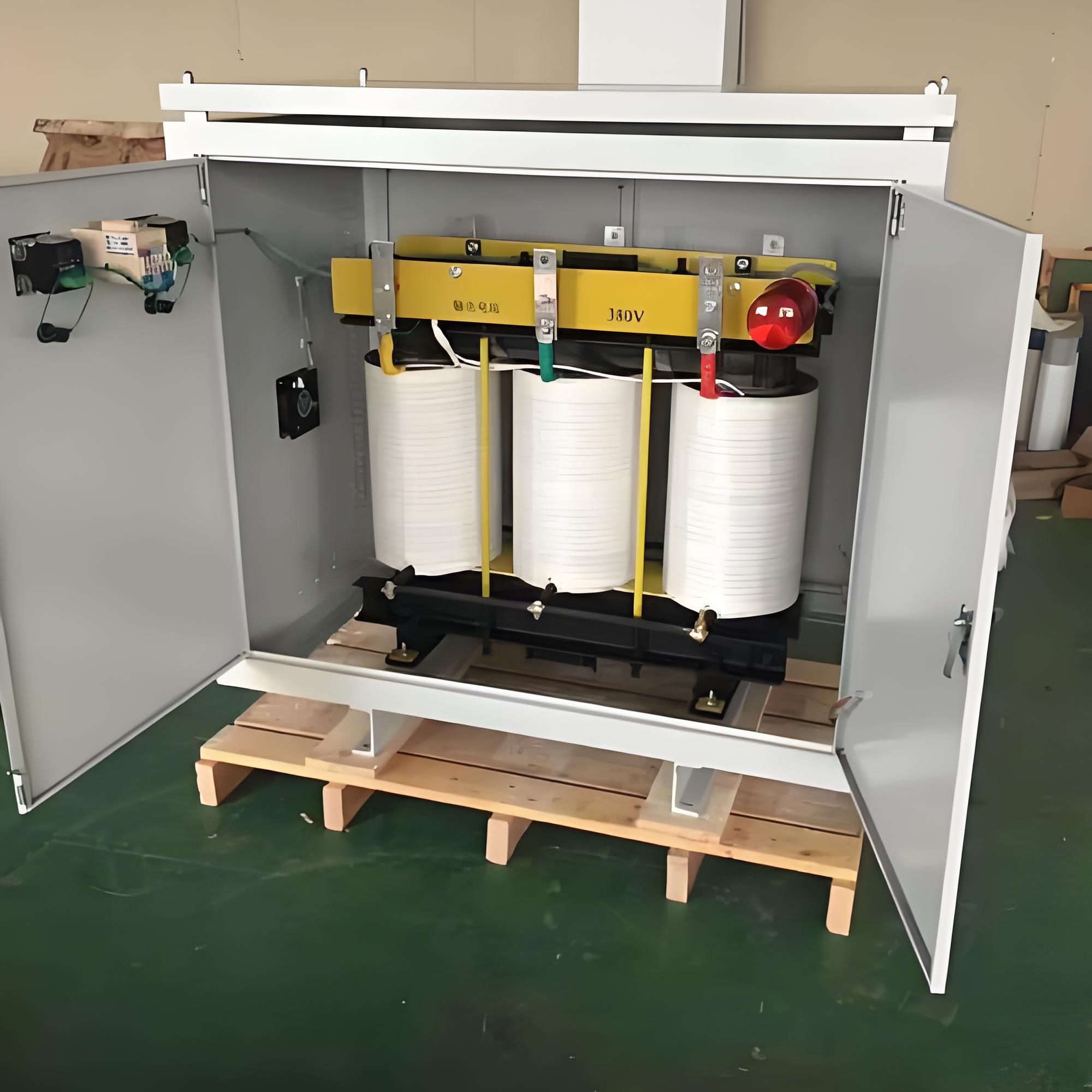
A guide to the installation, maintenance and troubleshooting of three-phase isolation transformers

By azhe May 6th, 2025 350 views

1. 🔧 Installation

1.1 Preparation

  • Verify Documentation: Before starting the installation, thoroughly read and understand all documentation provided by the manufacturer, including:
    • Safety Data Sheets (SDS)
    • Installation Manual
    • Technical Specifications
  • Inspect Equipment: Check the transformer for any visible damage during transportation or storage.
  • Gather Tools and Materials:
    • Appropriate cable sizes and connectors
    • Cable lugs
    • Insulated tools
    • Voltage tester
    • Personal Protective Equipment (PPE): gloves, safety glasses, arc flash protection if necessary

1.2 Site Selection

  • Location Requirements:
    • Dry, clean, and well-ventilated environment
    • Avoid areas with high humidity, dust, or corrosive gases
    • Maintain sufficient clearance around the unit for ventilation and maintenance access
    • Avoid direct exposure to sunlight or heat sources
  • Mounting Surface:
    • Ensure the floor is level and strong enough to support the transformer’s weight
    • Use anti-vibration pads if required to reduce noise and protect internal components

1.3 Electrical Connections

  • Disconnect Power Source: Ensure that all power supplies are disconnected before beginning electrical work.
  • Follow Wiring Diagrams: Refer to the wiring diagram provided in the manual.
  • Primary (Input) Side:
    • Connect the three-phase supply (L1, L2, L3) to the primary winding terminals
    • Ensure correct phase sequence (R-Y-B or U-V-W)
  • Secondary (Output) Side:
    • Connect the secondary windings to the load or downstream equipment
    • Maintain isolation between input and output circuits
  • Use Proper Torque Values:
    • Tighten terminal screws or bolts according to the manufacturer’s specifications
    • Improper torque can lead to overheating or loose connections

1.4 Grounding

  • Importance of Grounding:
    • Prevents electric shock hazards
    • Provides a safe path for fault currents
  • Ground Connection Points:
    • Transformer enclosure
    • Primary and secondary grounding lugs
  • Comply with Standards:
    • Follow local electrical codes (e.g., NEC Article 250 in the US, IEC 60364 in Europe)
    • Use copper conductors for grounding where possible

1.5 Final Checks Before Power-Up

  • Double-check all connections
  • Confirm phase rotation using a phase sequence indicator
  • Test insulation resistance using a megohmmeter (typically 500V or 1000V DC)
  • Ensure all covers and panels are securely fastened

2. đŸ› ī¸ Maintenance

2.1 Routine Inspection (Every 6 Months or as Recommended)

  • Visual Inspection:
    • Look for signs of corrosion, oil leaks (if applicable), or physical damage
    • Check for discolored or burnt components
  • Temperature Monitoring:
    • Use an infrared thermometer or thermal imaging camera to detect hot spots
    • Compare readings with previous data to identify abnormal trends
  • Insulation Resistance Test:
    • Perform a Megger test between windings and ground
    • Acceptable values typically range from 100 MΩ to several GΩ depending on voltage class

2.2 Cleaning

  • Internal Components:
    • Use compressed air or a soft brush to remove dust from coils and core
    • Do not use water or solvents unless approved by the manufacturer
  • External Enclosure:
    • Wipe down the surface with a dry cloth or mild detergent solution
    • Ensure no moisture enters the unit

2.3 Lubrication (If Applicable)

  • Some transformers may include cooling fans or mechanical parts requiring lubrication
  • Apply the recommended type and amount of lubricant at specified intervals
  • Replace worn-out bearings or faulty fans immediately

2.4 Cooling System Maintenance

  • For Air-Cooled Units:
    • Clean air vents and filters regularly
    • Ensure unrestricted airflow around the unit
  • For Oil-Cooled Units (if applicable):
    • Monitor oil levels and quality
    • Conduct periodic oil dielectric tests
    • Replace or filter oil as needed

2.5 Record Keeping

  • Maintain logs of:
    • Maintenance dates
    • Test results (insulation resistance, temperature, etc.)
    • Repairs or replacements made
  • These records help predict failures and plan preventive maintenance

3. 🔍 Troubleshooting

3.1 Abnormal Noise or Vibration

  • Possible Causes:
    • Loose core laminations
    • Mechanical vibration from nearby equipment
    • Overloading or unbalanced loading
  • Corrective Actions:
    • Turn off the transformer immediately
    • Inspect and tighten mounting bolts
    • Check for core distortion or coil movement
    • Rebalance the load if necessary

3.2 Overheating

  • Common Reasons:
    • Excessive load or overload conditions
    • Poor ventilation or blocked cooling ducts
    • Loose connections causing resistive heating
    • Failed fan (in forced-air units)
  • Steps to Resolve:
    • Measure operating current and compare with rated values
    • Improve airflow or relocate the unit to a cooler area
    • Retorque all electrical connections
    • Replace defective cooling components

3.3 Voltage Instability or Fluctuations

  • Potential Issues:
    • Unstable input voltage from the source
    • Faulty tap changer (if present)
    • Internal winding faults or insulation breakdown
  • Diagnosis & Repair:
    • Use a power quality analyzer to monitor input voltage
    • Check tap switch settings and operation
    • Perform turns ratio test and insulation resistance test
    • If internal damage is suspected, contact the manufacturer or a certified repair center

3.4 Tripped Circuit Breaker or Blown Fuses

  • Likely Causes:
    • Short circuit in the transformer or connected load
    • Ground fault due to damaged insulation
    • Inrush current during startup
  • Troubleshooting Steps:
    • Disconnect all loads and reset breaker/fuse
    • Perform insulation resistance test
    • Check for continuity between phases and to ground
    • If problem persists, isolate and inspect each connected device

3.5 Unusual Smell or Smoke

  • Serious Indicators:
    • Burning smell or visible smoke suggests serious internal issues such as:
      • Overheated windings
      • Arcing or short circuits
      • Oil leakage in oil-filled units
  • Emergency Response:
    • Immediately shut down the system
    • Disconnect power supply
    • Evacuate the area if flammable materials are involved
    • Contact qualified personnel or the manufacturer for assistance

✅ Summary Checklist

Task Frequency Notes
Visual inspection Monthly Look for dirt, damage, or overheating
Temperature check Quarterly Use IR thermometer or thermal camera
Insulation resistance test Semi-annually Use Megger test
Cleaning Semi-annually Use dry methods only
Torque verification Annually Ensure proper tightness of terminals
Lubrication (if applicable) As per schedule Use manufacturer-recommended lubricants
Full diagnostic testing Biennially Includes ratio, resistance, and insulation tests

âš ī¸ Safety Precautions

  • Always disconnect power before performing any maintenance or troubleshooting.
  • Wear appropriate PPE: insulated gloves, eye protection, flame-resistant clothing.
  • Never work alone when dealing with high-voltage equipment.
  • Use lockout-tagout (LOTO) procedures to prevent accidental re-energization.
  • Only trained and authorized personnel should handle transformer installations and repairs.
Protection and Efficiency: The Protective Functions and Energy-Saving Features of Three-Phase Isolation Transformers
Previous
Protection and Efficiency: The Protective Functions and Energy-Saving Features of Three-Phase Isolation Transformers
Read More
Future Trend: Innovation and Development Direction of Three-Phase Isolation Transformer Technology
Next
Future Trend: Innovation and Development Direction of Three-Phase Isolation Transformer Technology
Read More