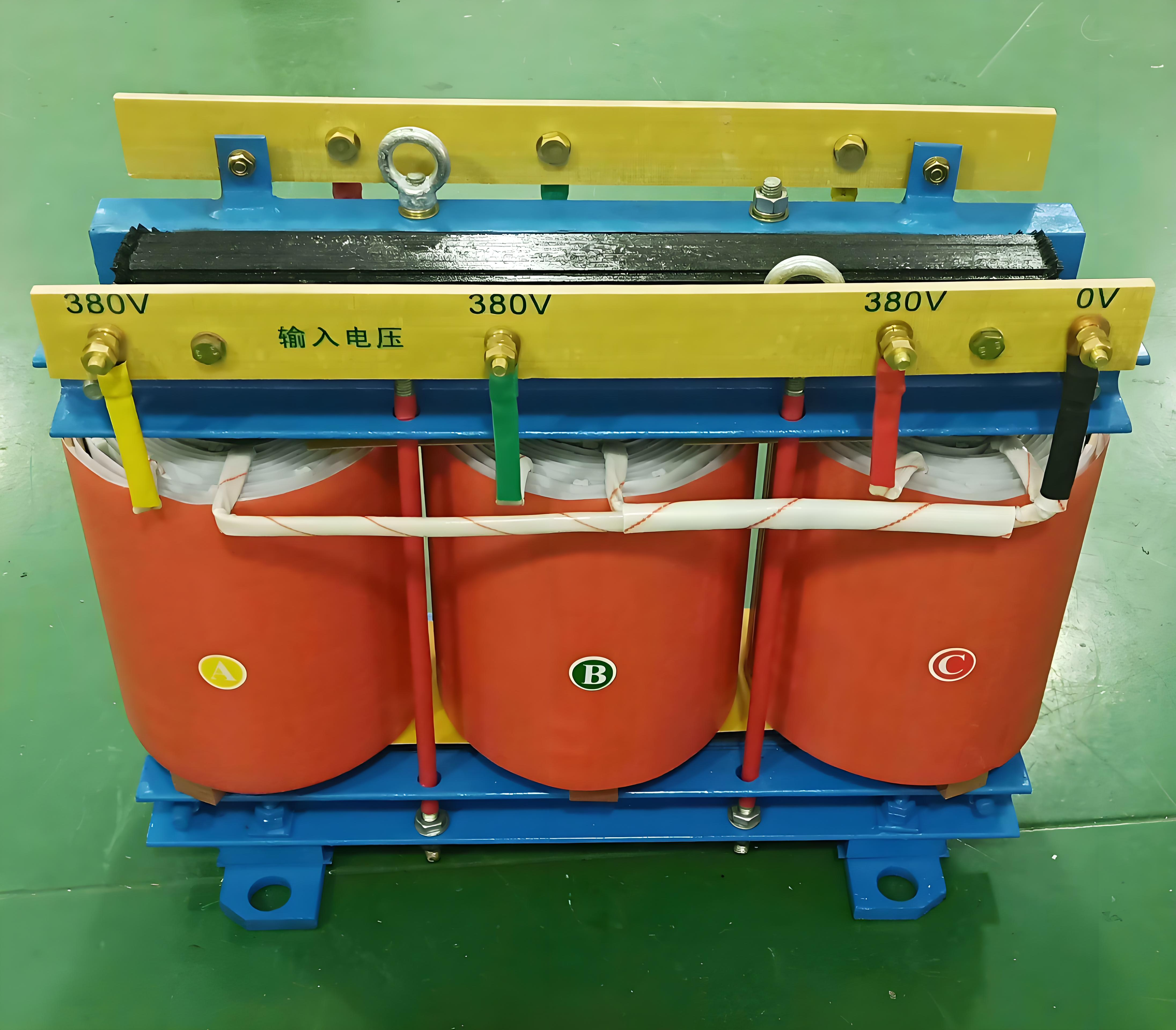
A transformer is an electrical device that transfers alternating current (AC) energy between different voltage levels through the principle of electromagnetic induction. It plays a vital role in power systems and is widely used in transmission and distribution, industrial control, and building electrical applications.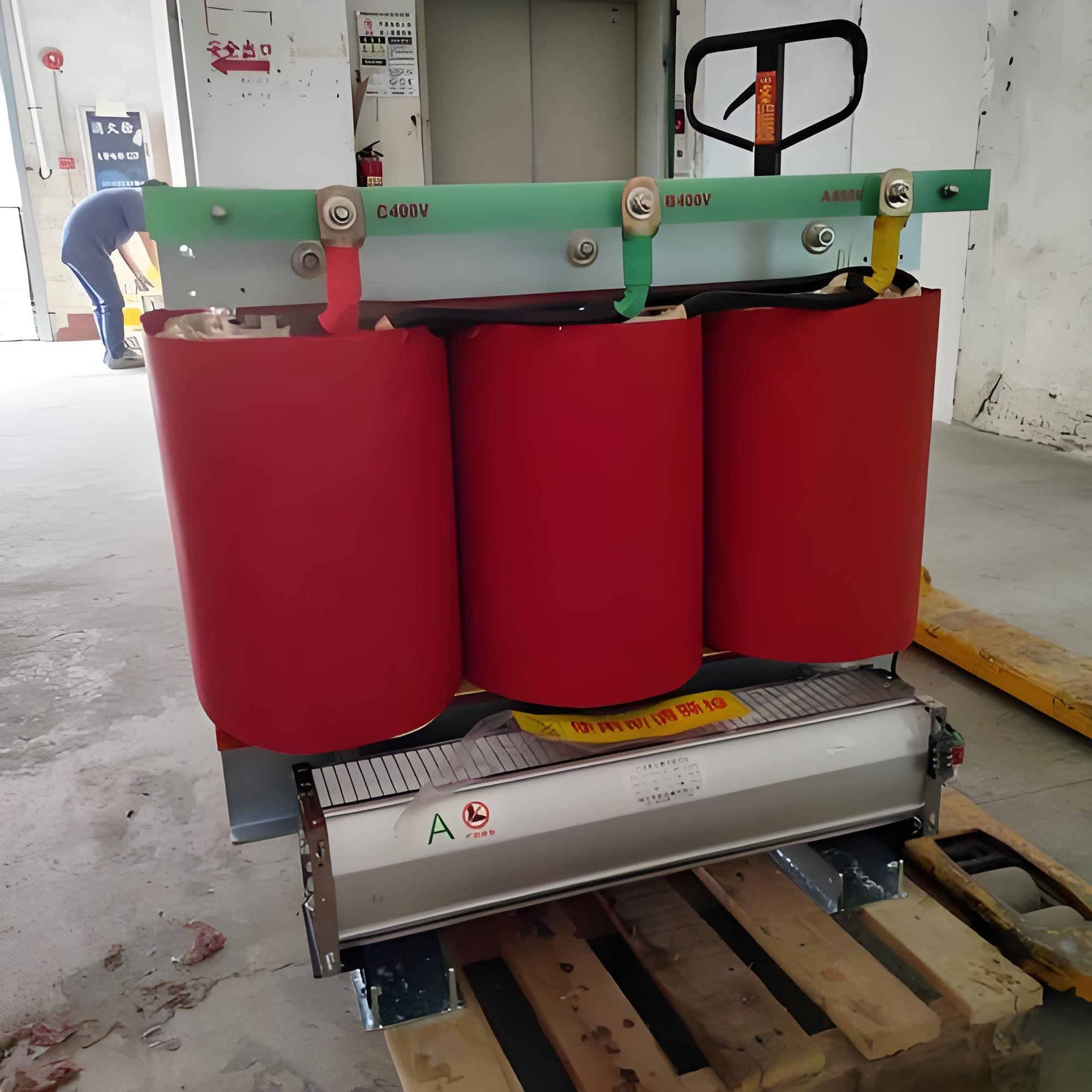
The main functions of a transformer include:
A transformer consists of a core made of magnetic material and two windings — the primary winding (input side) and the secondary winding (output side). When AC flows through the primary winding, it generates a varying magnetic field in the core, which induces a voltage in the secondary winding.
According to Faraday's Law of Electromagnetic Induction:
Where:
If , it is a step-up transformer; if , it is a step-down transformer.
| Classification | Transformer Type | Features |
|---|---|---|
| By Application | Power, Instrument, Special-purpose | Used in different scenarios |
| By Cooling Method | Dry-type, Oil-immersed | Different cooling media |
| By Phase | Single-phase, Three-phase | Suitable for single or three-phase systems |
| By Structure | Two-winding, Auto-transformer | Structural differences |
| By Voltage Regulation | On-load tap changer (OLTC), Off-circuit | Whether voltage can be adjusted under load |
Rated Capacity (kVA)
Maximum apparent power the transformer can handle.
Rated Voltage (V or kV)
Nominal voltage of the primary and secondary windings.
Short-Circuit Impedance (%)
Reflects impedance characteristics during short circuit, affecting fault current magnitude.
No-Load Loss (W)
Loss due to hysteresis and eddy currents in the core when no load is connected.
Load Loss (W)
Copper loss caused by resistance in the windings under load.
Insulation Class
Common classes are F (155°C) and H (180°C), indicating maximum operating temperature.
Protection Rating (IP)
e.g., IP20, IP54, indicating dust and water resistance level.
Capacity Matching
Select capacity based on total load with a safety margin (usually 1.2–1.3 times the total load).
Voltage Level Matching
Ensure primary and secondary voltages match system requirements.
Installation Environment
Dry-type transformers are preferred indoors, while oil-immersed types suit outdoor or heavy-duty applications.
Energy Efficiency
Recommend using S11, S13, or amorphous alloy transformers to reduce losses.
Voltage Regulation
OLTC is recommended for areas with frequent voltage fluctuations.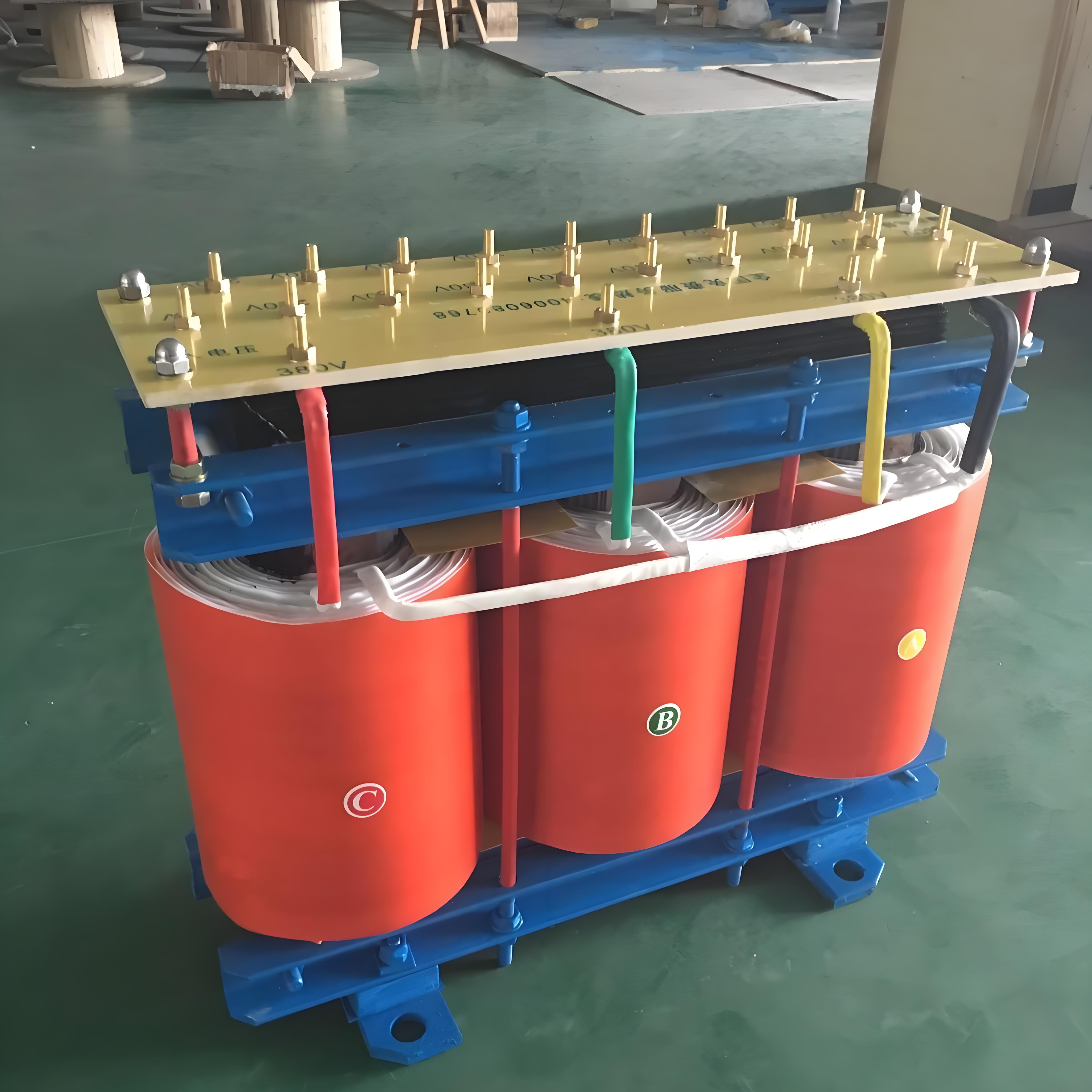
| Fault Phenomenon | Possible Causes | Solutions |
|---|---|---|
| Abnormal Noise | Loose core, internal discharge | Power off, inspect and repair |
| Overheating | Overload, poor cooling | Reduce load, check cooling system |
| Oil Level Issues | Oil leakage, overfilling | Locate leak, adjust oil level |
| Gas Relay Operation | Internal discharge, short circuit | Analyze oil sample, perform chromatography |
| Unstable Output Voltage | Shorted winding, tap changer issues | Measure DC resistance, replace switch |
| Deformation, Smoke | Severe internal fault | Immediate shutdown, factory repair |
Regular Inspection
Check sound, temperature, and oil level regularly.
Cleaning and Dust Removal
Prevent overheating due to dust accumulation.
Insulation Testing
Measure insulation resistance periodically.
Oil Quality Testing (for oil-immersed only)
Includes dielectric strength test, moisture content, and gas chromatography.
Operation Data Logging
Maintain records for analysis and preventive maintenance.
As a core component in power systems, understanding the working principles, selection criteria, operation, and maintenance of transformers is essential knowledge for every power professional. With the development of smart grids, transformers are evolving toward intelligence, efficiency, and environmental friendliness. Mastering these fundamentals not only enhances system reliability but also lays a solid foundation for future power technology upgrades.