The proper selection of cross-sectional area for low-voltage main busbars and appropriate cable specifications in transformer systems is a critical aspect of electrical design, directly impacting system safety, reliability, and efficiency. This process involves careful consideration of load requirements, allowable current-carrying capacity, voltage drop, short-circuit withstand capability, and environmental conditions.
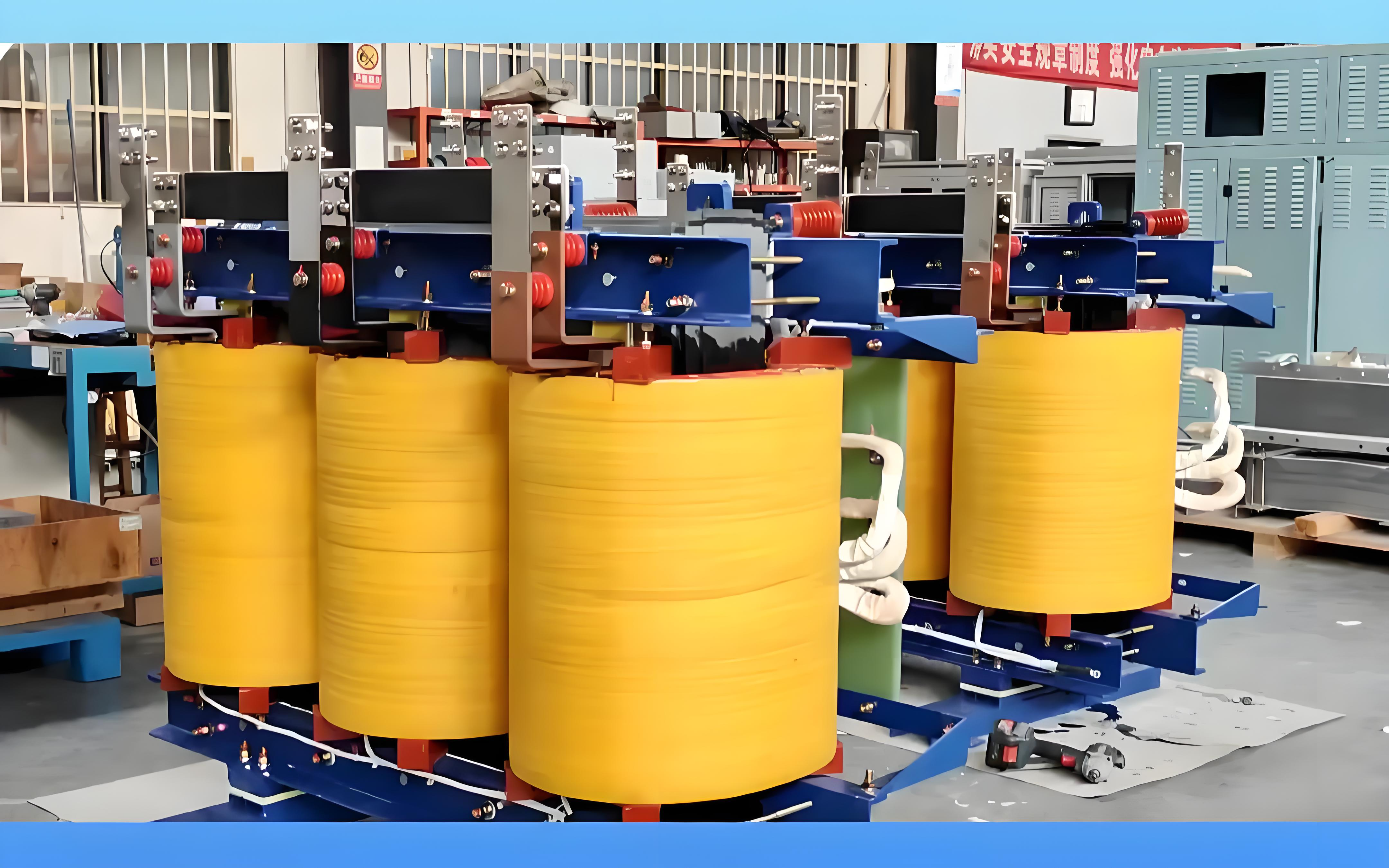
1. Determining Load Current
The first step is to calculate the maximum expected load current on the low-voltage side of the transformer. This is typically derived from the transformer's rated capacity (kVA) and the system voltage (e.g., 400V in a 3-phase system):
Where:
- I is the full-load current (A),
- S is the transformer apparent power (kVA),
- V is the line-to-line voltage (V).
This calculated current serves as the basis for sizing both busbars and cables.
2. Busbar Cross-Section Selection
Busbars are commonly used to carry high currents from the transformer secondary to distribution switchboards. Key factors in selecting busbar cross-section include:
- Current-Carrying Capacity (Ampacity): The chosen busbar must safely carry the full-load current continuously without exceeding temperature limits. Manufacturer data or standard tables (e.g., IEC 61439) provide ampacity values based on material (usually copper or aluminum), cross-sectional area, number of bars per phase, and installation conditions (e.g., spacing, enclosure).
- Short-Circuit Withstand: The busbar must endure the thermal and mechanical stresses of a short-circuit event. This involves verifying that the cross-section and material can handle the I2t value of the prospective fault current for the duration of the protective device operation.
- Voltage Drop: Although typically minimal for busbars due to low impedance, voltage drop should still be checked, especially for long runs, to ensure it remains within acceptable limits (usually < 3%).
- Material and Configuration: Copper offers higher conductivity and better mechanical strength than aluminum but at a higher cost and weight. Common configurations include single or multiple bars per phase arranged in a sandwich or edge-to-edge layout.
3. Cable Specification Selection
When cables are used instead of or in addition to busbars, similar principles apply, with additional considerations:
- Conductor Material and Size: Copper and aluminum are standard. Cable cross-sectional area (in mm²) is selected based on current-carrying capacity, considering installation method (e.g., in air, buried, in conduit), ambient temperature, and grouping.
- Insulation Type: Must be suitable for the system voltage (e.g., 0.6/1 kV) and environmental conditions (e.g., flame retardant, low smoke zero halogen (LSZH), or oil-resistant).
- Voltage Drop: Cable length significantly affects voltage drop. Calculations must ensure the drop from transformer to the farthest load remains within limits.
- Short-Circuit Rating: The cable must withstand short-circuit currents without damage. Standards such as IEC 60364 provide methods for calculating minimum required cross-section based on fault level and protection clearing time.
- Protection Coordination: The cable size must be compatible with the upstream protective device (e.g., circuit breaker or fuse) to ensure adequate protection against overload and short-circuit.
4. Standards and Codes
Design and selection must comply with relevant national and international standards, such as IEC 60364 (Electrical Installations for Buildings), IEEE standards, or local electrical codes, which provide detailed guidelines and safety requirements.
Conclusion
Selecting the correct cross-section for low-voltage main busbars and appropriate cable specifications requires a systematic approach that balances electrical performance, safety, and economic factors. Accurate load calculations, adherence to standards, and consideration of installation conditions are essential to ensure a robust and reliable power distribution system.


