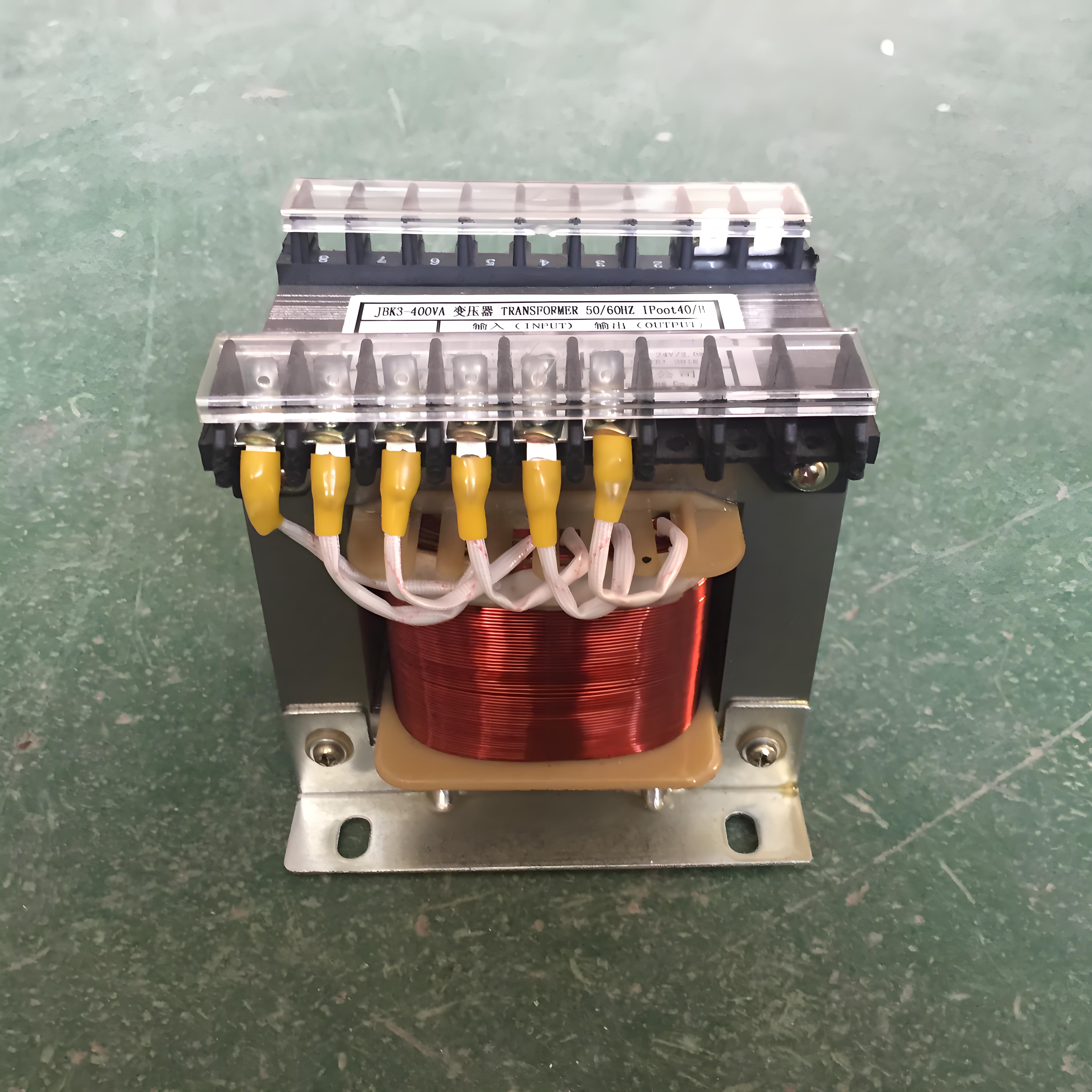
Single-phase transformers play a crucial role in power systems, directly impacting the efficiency and reliability of electricity transmission. Understanding the key performance indicators (KPIs) of single-phase transformers is essential for selecting appropriate equipment and ensuring safe, stable system operation. This article delves into several critical KPIs: capacity, efficiency, losses, and temperature rise.
Capacity measures the maximum apparent power that a single-phase transformer can handle, typically expressed in kilovolt-amperes (kVA). It determines the maximum electrical energy the transformer can supply. When choosing a transformer, consider load requirements and select a slightly larger capacity to provide a margin against overload.
Efficiency is the ratio of output power to input power, reflecting the transformer's ability to convert energy. Ideally, transformers should minimize energy loss and maximize efficiency. However, due to material characteristics and design limitations, some losses are inevitable, resulting in an efficiency below 100%.
Losses in transformers are categorized into two main types: no-load losses and load losses. No-load losses are primarily caused by hysteresis and eddy currents in the core, occurring even when there is no load; load losses mainly result from copper losses due to winding resistance, increasing with load.
Reducing losses not only improves transformer efficiency but also extends its lifespan and reduces operating costs.
Temperature rise refers to the increase in internal temperature of the transformer relative to the ambient temperature during normal operation. It is a critical parameter for assessing the heat resistance of insulation materials. Different insulation classes have different allowable maximum operating temperatures, thus directly influencing the safe operation and lifespan of the transformer.
Proper design and cooling methods effectively control temperature rise, ensuring long-term stable operation of the transformer.


