The electrical industry is a highly technical and widely applied field with strict safety requirements. Whether you work in power engineering, automation control, building electrical systems, or home appliance repair, having a solid understanding of basic electrical knowledge is essential. This article compiles a comprehensive list of electrical fundamentals — from core concepts to practical applications. If you can master over 90% of these topics, you can truly be considered an expert in the field!
I. Basic Electrical Concepts
-
What is Electric Current?
- The flow of electric charge through a conductor, measured in amperes (A).
-
What is Voltage?
- The potential difference between two points, measured in volts (V), which drives current.
-
Resistance and Ohm’s Law
- Resistance is the opposition to current flow, measured in ohms (Ω).
Ohm’s Law formula: I=RU, where current equals voltage divided by resistance.
-
Power and Energy
- Power is the rate of energy conversion, measured in watts (W);
- Electrical energy is measured in kilowatt-hours (kWh), commonly used for billing.
-
Alternating Current (AC) vs. Direct Current (DC)
- AC changes direction periodically (e.g., mains electricity);
- DC flows in one direction (e.g., batteries).
-
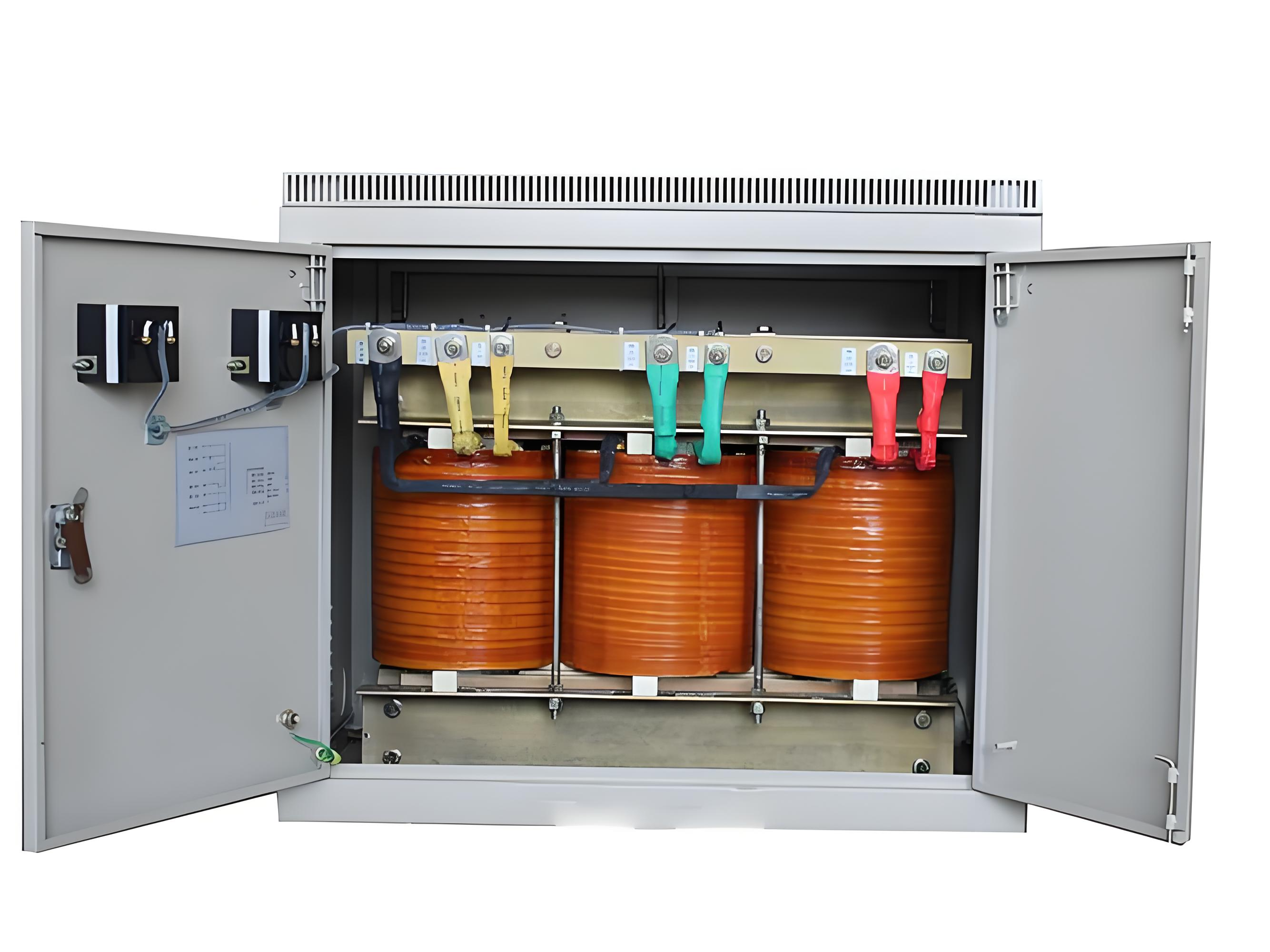
Three-Phase Electricity
- Composed of three voltages with equal magnitude and 120° phase differences;
- Commonly used in industrial power systems for efficiency and low transmission loss.
II. Common Electrical Equipment and Components
-
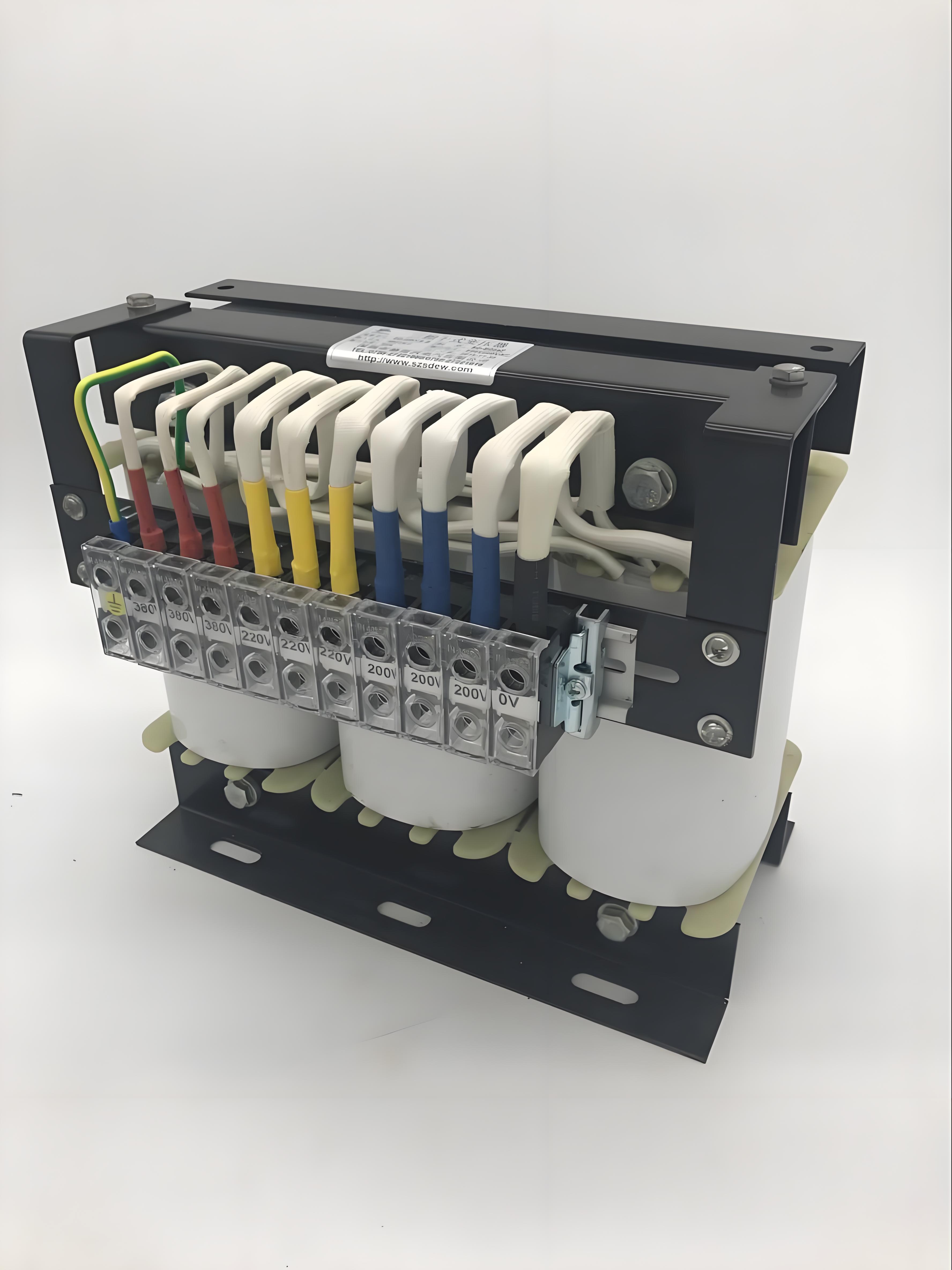
Transformer Functions
- Changes voltage levels for efficient power transmission;
- Types include power transformers, instrument transformers, and isolation transformers.
-
Circuit Breakers and Isolators
- Circuit breakers automatically interrupt fault currents;
- Isolators manually disconnect circuits for safe maintenance.
-
Relays and Contactors
- Relays control high current with low current signals;
- Contactors frequently switch main circuits, often used in motor control.
-
Fuses and Circuit Protection
- Fuses are overcurrent protection devices that melt when current exceeds a set value.
-
Types of Motors and Working Principles
- Main types: AC induction motors, synchronous motors, DC motors;
- Widely used in fans, pumps, elevators, etc.
-
PLCs and Variable Frequency Drives (VFDs)
- PLCs are programmable controllers used in automation;
- VFDs adjust motor speed for energy savings.
III. Power Distribution Systems and Wiring Methods
-
TN, TT, and IT Systems
- TN: Neutral point directly grounded, equipment connected via PE line;
- TT: Separate grounding for power source and equipment;
- IT: Unearthed or impedance-grounded, suitable for special environments like hospitals.
-
Distribution Box and Meter Wiring
- Includes incoming lines, outgoing lines, leakage protection, and metering modules;
- Correct wiring ensures electrical safety.
-
Cable Selection Principles
- Choose based on load, installation environment, and insulation level;
- Common cables include VV, YJV, ZR-YJV, etc.
-
Types of Grounding Systems
- Functional grounding, protective grounding, lightning protection grounding;
- Ground resistance should be less than 4Ω for safety.
IV. Electrical Safety and Standards
-
Preventing Electrical Fires
- Regularly inspect aging wires;
- Avoid overload;
- Use certified electrical products.
-
First Aid for Electric Shock
- Step 1: Immediately cut off the power;
- Step 2: Perform CPR and call emergency services.
-
Working on Live Low-Voltage Circuits
- Wear insulated gloves and goggles;
- Use insulated tools;
- Assign a dedicated supervisor.
-
Ingress Protection (IP) Ratings
- Two-digit code indicating dust (0–6) and water (0–9) protection levels;
- e.g., IP54 means dust protected class 5 and water protected class 4.
-
National and Industry Standards
- Such as GB/T 14048 (low-voltage switchgear), GB 50034 (lighting design standards);
- Compliance ensures legal and safe operations.
-
Electrical Installation Acceptance Criteria
- Includes insulation tests, grounding tests, and operational checks;
- Only put into use after passing inspections.
V. Common Electrical Symbols and Drawing Interpretation
-
Basic Electrical Symbols
- Including circuit breakers, fuses, contactors, relays, buttons, indicator lights;
- Recognizing symbols is key to reading electrical diagrams.
-
Primary and Secondary Circuits
- Primary: Main circuit carrying high current;
- Secondary: Control circuit responsible for signaling and operation.
-
Meaning of Labels in Electrical Drawings
- e.g., WL1-3×4+1×2.5 means Lighting Circuit 1, 3 × 4mm² live conductors + 1 × 2.5mm² neutral.
-
CAD Drawings and BIM Models
- CAD used for electrical layout design;
- BIM enables multi-disciplinary modeling and improves project visualization.
VI. Practical Electrical Tips and Experience Sharing
-
How to Tell if a Wire is Burnt?
- Look for charred insulation;
- Measure insulation resistance drop;
- Use thermal imaging to detect hot spots.
-
How to Measure Ground Resistance?
- Use a ground resistance tester;
- Three-point method or clamp method.
-
How to Determine Motor Health?
- Test winding-to-ground insulation resistance;
- Check three-phase balance;
- Inspect bearings for seizing or noise.
-
Routine Maintenance of Electrical Equipment
- Clean and remove dust;
- Tighten terminal connections;
- Replace aged components;
- Record operational data.
-
How to Choose the Right UPS?
- Consider load capacity, backup time, input/output voltage, frequency range;
- Choose online, line-interactive, or standby type.
-
How to Handle Power Outages?
- Start backup generator;
- Disconnect non-essential loads;
- Check if main supply has returned.
VII. Conclusion: The More You Know, the Safer You Are
While electrical knowledge may seem complex, mastering the basics and common device operations will make you more confident and capable in your work. This article covers over 30 fundamental electrical concepts, from theory to practical application. If you understand 90% of them, you already have a strong foundation in the field.
Whether it's daily maintenance, troubleshooting, project design, or safety management, a solid grasp of electrical principles will always give you an edge. The electrical industry evolves rapidly, so continuous learning and updating your knowledge will help you stay ahead and succeed in this dynamic field.


