1. Cooling Medium
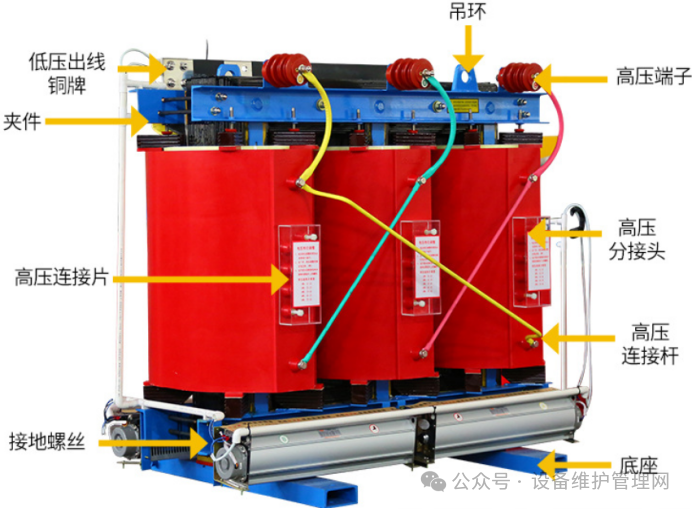
- Dry-Type Transformers: These transformers use air as the cooling medium. The windings are typically encapsulated in epoxy resin or other solid insulation materials, which provide both electrical insulation and heat dissipation through natural or forced air circulation.
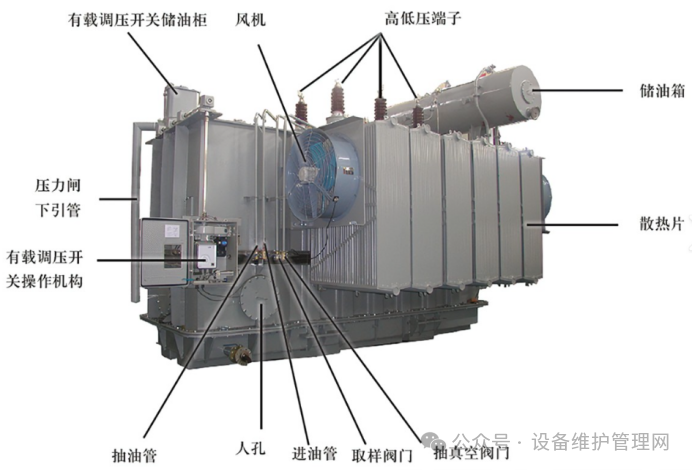
- Oil-Immersed Transformers: These transformers use mineral oil or synthetic insulating oil as the cooling and insulating medium. The oil not only dissipates heat effectively but also enhances the dielectric strength of the transformer, ensuring reliable operation under high voltage conditions.
2. Insulation System
- Dry-Type Transformers: The insulation system is based on solid materials such as epoxy resin, fiberglass, or Nomex paper. These materials are flame-retardant and self-extinguishing, making dry-type transformers suitable for indoor installations where fire safety is a concern.
- Oil-Immersed Transformers: The insulation system relies on the combination of oil and cellulose-based materials (e.g., paper). The oil provides excellent dielectric properties and thermal stability, but it is flammable, requiring additional safety measures for fire prevention.
3. Applications
- Dry-Type Transformers: Commonly used in environments where fire hazards must be minimized, such as commercial buildings, hospitals, schools, and underground facilities. They are also preferred in urban areas due to their compact size and reduced environmental impact.
- Oil-Immersed Transformers: Typically employed in outdoor substations, industrial facilities, and power transmission systems where higher power ratings and better cooling performance are required. They are more suitable for high-voltage and large-capacity applications.
4. Efficiency and Losses
- Dry-Type Transformers: Generally have slightly higher core and winding losses compared to oil-immersed transformers, especially at higher capacities. However, advancements in materials and design have improved their efficiency in recent years.
- Oil-Immersed Transformers: Exhibit lower core and winding losses due to superior cooling capabilities and optimized insulation systems. This makes them more energy-efficient for large-scale power distribution.
5. Maintenance Requirements
- Dry-Type Transformers: Require minimal maintenance since they do not involve liquid cooling or insulation. There is no need for oil testing, filtration, or replacement, reducing operational costs over time.
- Oil-Immersed Transformers: Require regular maintenance, including oil quality checks, filtration, and monitoring for leaks. Periodic inspection of bushings, gaskets, and cooling systems is also necessary to ensure safe and reliable operation.
6. Environmental Impact
- Dry-Type Transformers: Environmentally friendly as they do not contain oil, eliminating the risk of oil spills or contamination. They are easier to recycle and comply with stricter environmental regulations.
- Oil-Immersed Transformers: Pose potential environmental risks due to oil leakage, which can contaminate soil and water. Proper disposal of used oil and compliance with environmental standards are essential.
7. Cost Considerations
- Dry-Type Transformers: Typically have higher upfront costs due to the expensive materials used in their construction (e.g., epoxy resin). However, their lower maintenance requirements and suitability for indoor use make them cost-effective in certain applications.
- Oil-Immersed Transformers: Have lower initial costs but incur higher maintenance expenses over time. They are more economical for large-scale projects where high capacity and durability are critical.
8. Size and Weight
- Dry-Type Transformers: Compact and lightweight, making them ideal for installations with limited space. Their smaller footprint allows for flexible placement in buildings or confined areas.
- Oil-Immersed Transformers: Larger and heavier due to the need for an oil tank and additional cooling systems. They require dedicated outdoor spaces or specially designed enclosures.
Summary
In summary, dry-type transformers are preferred for indoor, low-to-medium voltage applications where fire safety and minimal maintenance are priorities. Oil-immersed transformers, on the other hand, are better suited for high-voltage, large-capacity applications where superior cooling and efficiency are required, despite their higher maintenance needs and environmental considerations.


