Explanation:
Non-crystalline alloy 3D wound core transformers are advanced electrical devices that utilize amorphous materials and a three-dimensional winding core design. Below are the detailed characteristics, explained with professional electrical knowledge:
-
Low Core Loss (Reduced No-Load Loss):
- The amorphous alloy material used in the core exhibits significantly lower hysteresis losses compared to traditional silicon steel cores. This results in reduced no-load losses, making the transformer highly energy-efficient, especially during light-load or idle conditions.
-
High Magnetic Permeability:
- Amorphous alloys possess excellent magnetic permeability, allowing for efficient magnetic flux transfer. This enhances the overall efficiency of the transformer while minimizing excitation current requirements.
-
Compact and Lightweight Design:
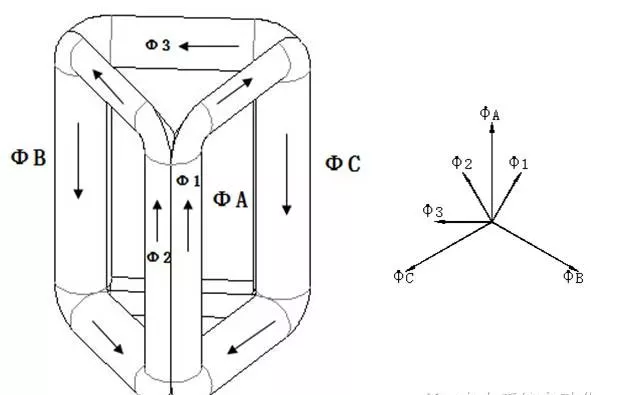
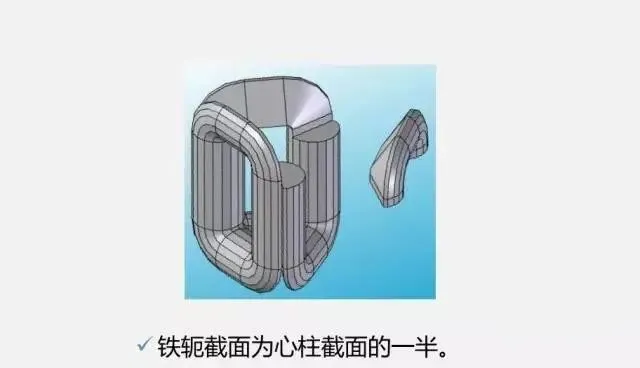
- The 3D wound core structure optimizes the magnetic circuit path, reducing the physical size and weight of the transformer. This makes it suitable for applications where space is limited.
-
Improved Thermal Performance:
- The unique winding design of the 3D core ensures uniform heat distribution, reducing hotspots and improving thermal stability. This enhances the reliability and lifespan of the transformer.
-
Reduced Noise Levels:
- The tight winding and structural integrity of the 3D core minimize vibrations and mechanical noise, resulting in quieter operation compared to conventional transformers.
-
Environmentally Friendly:
- Amorphous alloy transformers contribute to energy savings and reduced carbon emissions due to their high efficiency. Additionally, the materials used are often recyclable, promoting sustainability.
-
Enhanced Overload Capacity:
- The robust design of the 3D wound core provides better tolerance to overload conditions, ensuring stable performance under varying load demands.
-
Superior Short-Circuit Withstand Capability:
- The mechanical strength of the 3D wound core improves the transformer's ability to withstand short-circuit currents, enhancing its durability and safety.
-
Cost-Effectiveness Over Lifecycle:
- While the initial cost of amorphous alloy transformers may be higher than traditional transformers, their energy-saving capabilities and extended operational life result in significant cost savings over time.


